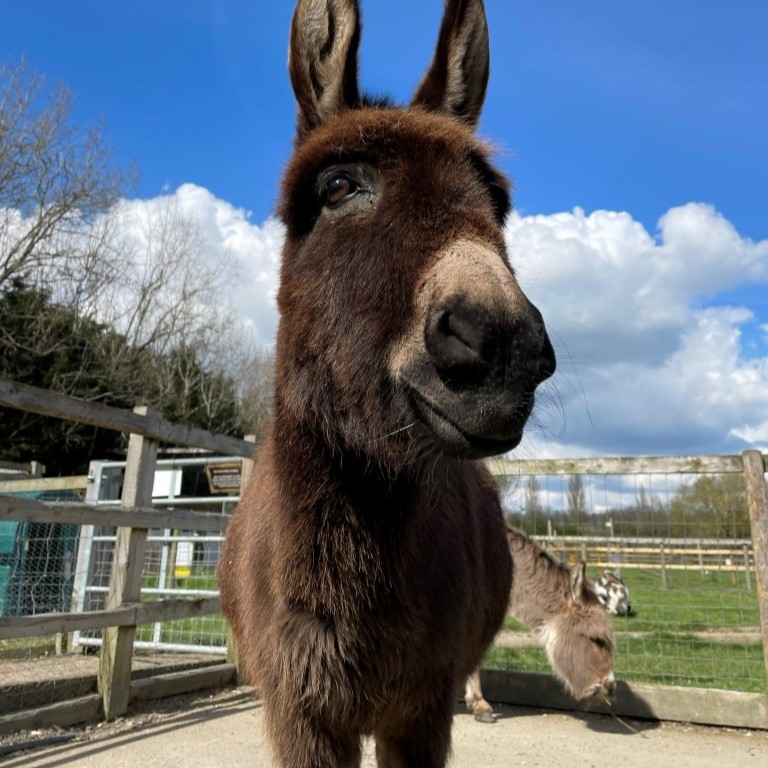
Equus africanus asinus

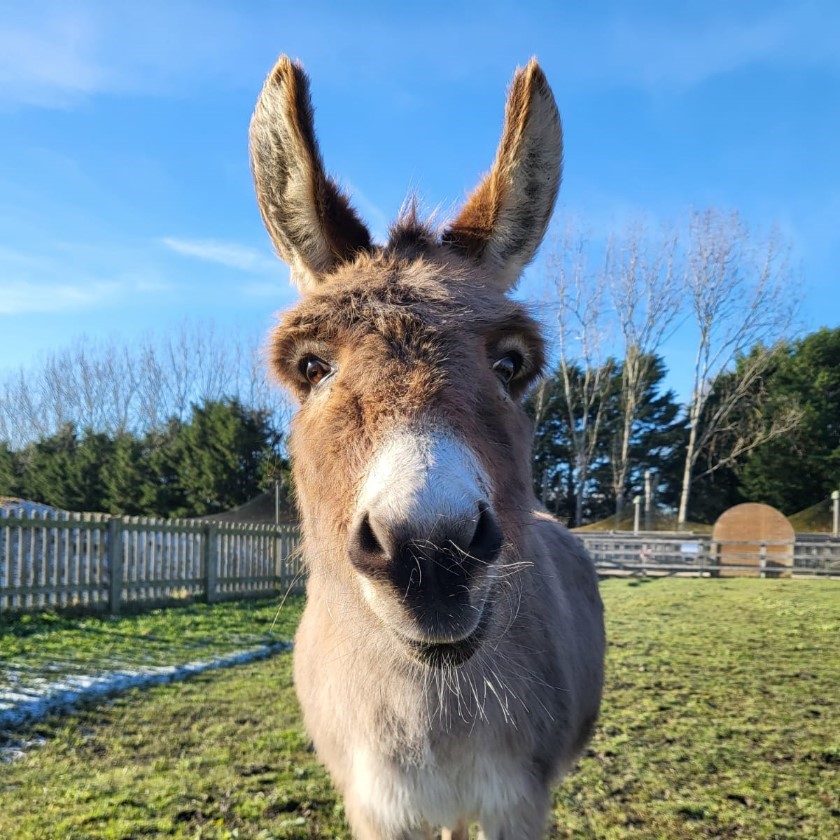
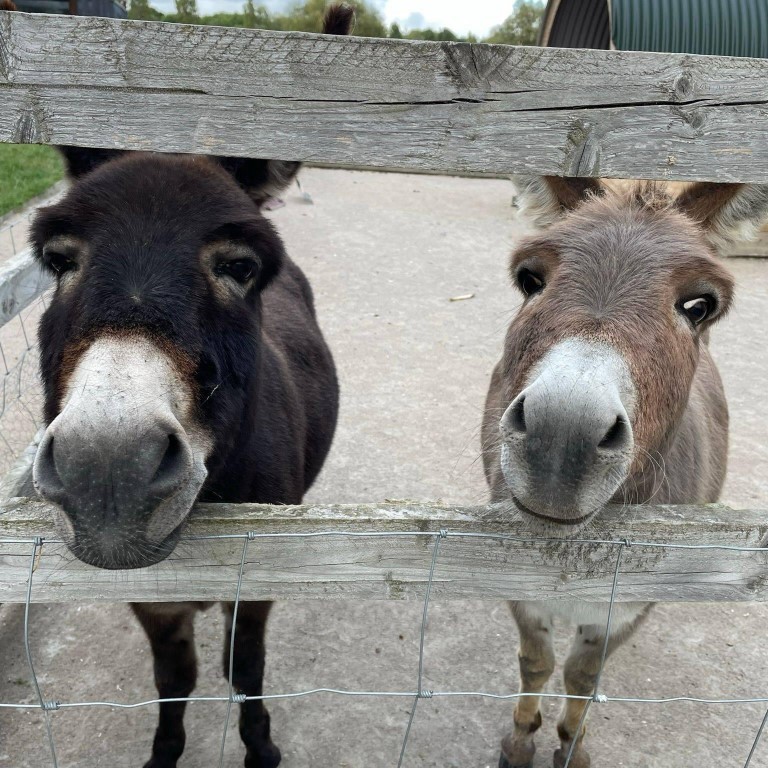
Miniature Donkey

North American donkeys constitute approximately 0.1% of the worldwide donkey population.

Book Online
Open 10am to 5pm Everyday

Donkeys were brought from Europe to the New World in the fifteenth century with the Second Voyage of Christopher Columbus,and subsequently spread into Mexico. They first reached what is now the United States in the late seventeenth century. Donkeys arrived in large numbers in the western United States during the gold rushes of the nineteenth century, as pack animals and for use in mines and ore-grinding mills. From about 1785, some large donkeys were imported from Europe to the eastern part of the continent.

There are no true-breeding North American donkey breeds. Breed societies in Canada and the United States register donkeys according to their size, as miniature, standard or mammoth donkeys.These are reported as breeds to the Domestic Animal Diversity database of the Food and Agriculture Organization of the United Nations by the National Animal Germplasm Program of the Agricultural Research Service of the US Department of Agriculture, as are the Burro – a feral population of the western United States – and the Spotted, a colour breed.
Book Online
Open 10am to 5pm Everyday

Habitat

This miniature breed of Donkey originates from the Mediterranean area of Northern Africa and more recently from Sicily and Sardinia.

Diet

They are herbivores, which means they eat plants. Their diet mainly consists of grain, grass and hay.

Lifespan

25 – 35 years

IUCN Status

Fun Facts

The breed was originally used as work-horses in the 18th century, carrying supplies and water. As well as being harnessed to grind-stones in the grain mills. A female donkey is called a Jenny, a male donkey is called a Jack and a baby donkey is called a Foal.

Step Through Time

Dinosuar Experience

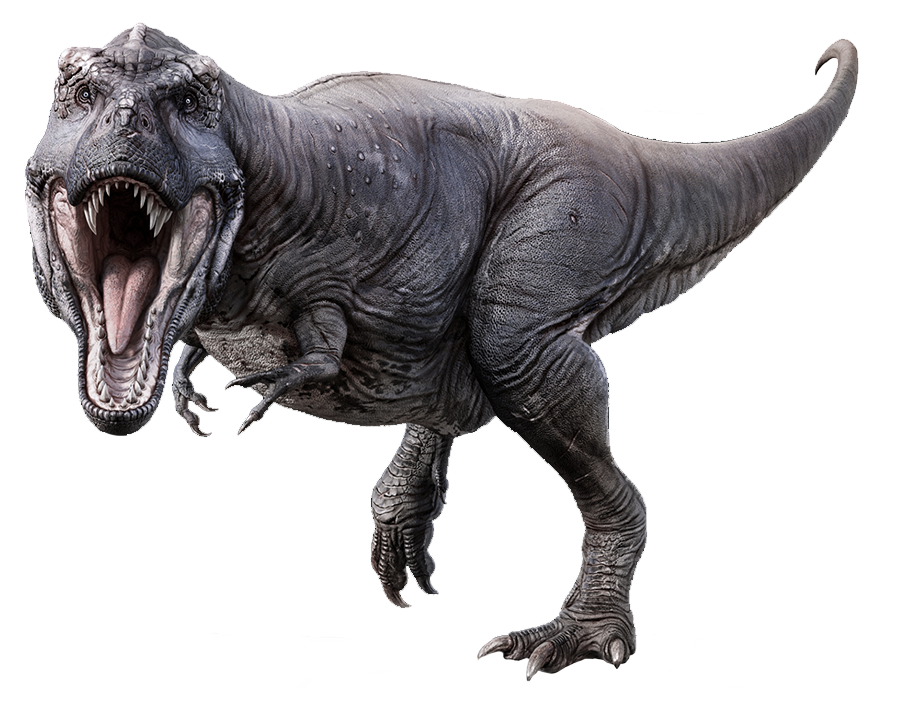
Ride the Dino Land Train, and discover prehistoric creatures in our Dino Barn. Get up close to the ever popular Tyrannosaurus Rex, Stegosaurus & Triceratops that remain ‘Frozen in time’. Walk through ‘Monsters of the Deep’, our prehistoric CGI aquarium – look out for Ammonites and discover just how big Megalodons’ jaw was!

Learn more
All Things Wild T-Rex Step Through Time