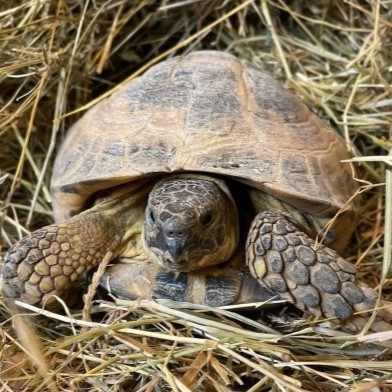
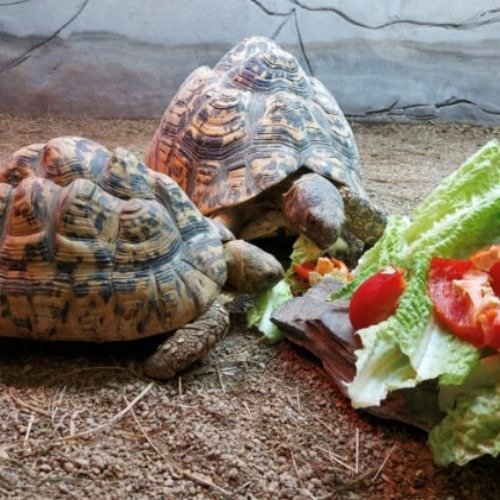
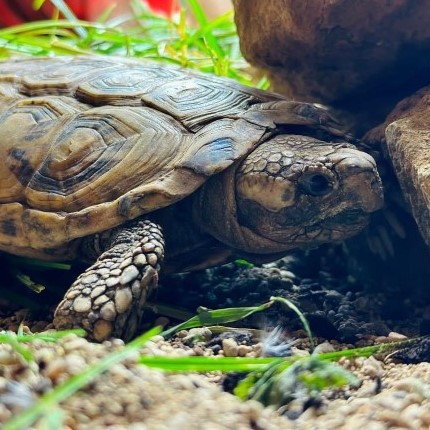
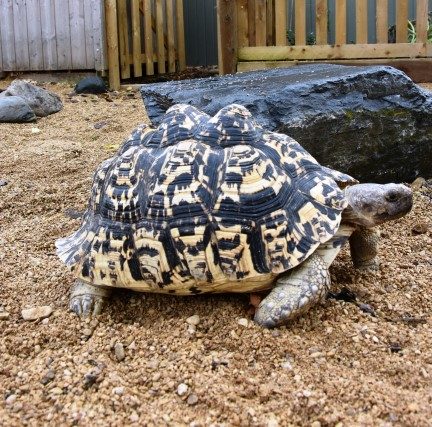
The leopard tortoise (Stigmochelys pardalis) is a large and attractively marked tortoise found in the savannas of eastern and southern Africa, from Sudan to the southern Cape. It is the only member of the genus Stigmochelys, although in the past, it was commonly placed in Geochelone. This tortoise is a grazing species that favors semiarid, thorny to grassland habitats. In both very hot and very cold weather, it may dwell in abandoned fox, jackal, or aardvark holes. The leopard tortoise does not dig other than to make nests in which to lay eggs. Given its propensity for grassland habitats, it grazes extensively upon mixed grasses. It also favors succulents and thistles.
The phylogenic placement of the leopard tortoise has been subject to several revisions. Different authors have placed it in Geochelone (1957), Stigmochelys (2001), Centrochelys (2002), and Psammobates (2006). More recently, consensus appears to have settled on Stigmochelys, a monotypic genus. Considerable debate has occurred about the existence of two subspecies, S. p. pardalis and S. p. babcocki, but recent work does not support this distinction.
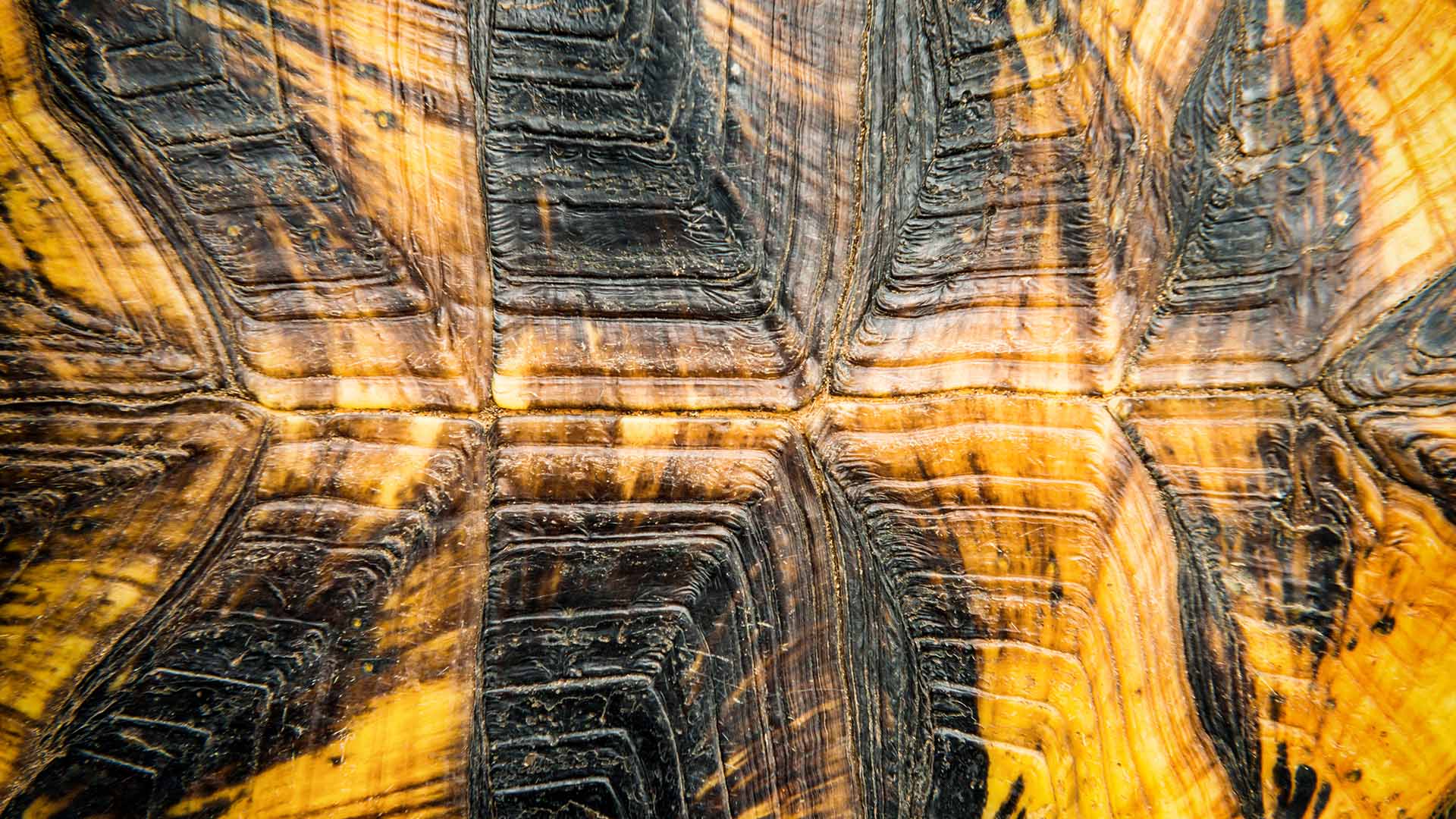
Stigmochelys is a combination of Greek words: stigma meaning “mark” or “point” and chelone meaning “tortoise”. The specific name pardalis is from the Latin word pardus meaning “leopard” and refers to the leopard-like spots on the tortoise’s shell.