Nature in the Neighbourhood
Promoting the incredible diversity of living creatures and their habitats in our local area.
All Things Wild
What is Nature in the Neighbourhood
Our exciting new 'Nature In The Neighbourhood' campaign is being launched to promote the incredible diversity of living creatures and their habitats in our local area, and to encourage people to join together to support and enhance these within their neighbourhood.
All Things Wild
How can our campaign help you?
Spending time in green space or interacting with nature on a daily basis can benefit both your mental and physical wellbeing.

Exposure to nature can reduce your blood pressure, heart rate, muscle tension and the production of stress hormones.
The sense of being "at home" in nature could be linked to your life satisfaction and personal growth.
Whilst you will be helping nature, you could also be encouraged to be more selfless towards others. A connection to nature makes you happier and more willing to help others.
Nature can generate a multitude of positive emotions, such as calmness, joy, lower levels of poor mental health; in particular lower depression and anxiety levels.

We are contributing towards the conservation of nature by raising awareness of the threats it undergoes and educating our visitors on what we can do to help maintain and restore the nature we have left. We are going to be taking action in our local area, and we hope you will join us on this journey.
The big butterfly count
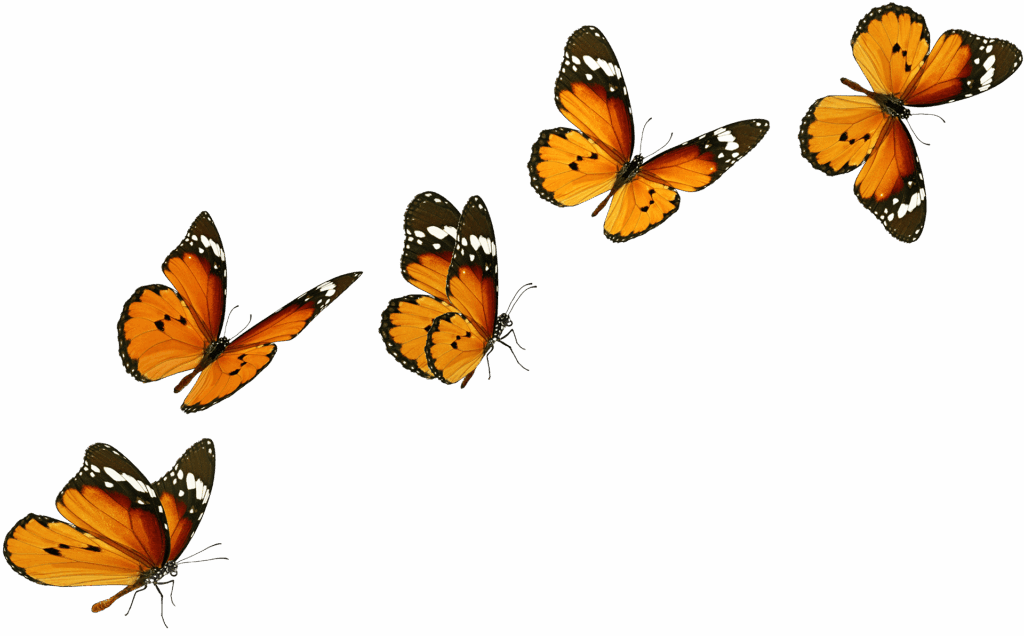
The Big Butterfly Count is a nationwide citizen science survey aimed at helping us assess the health of our environment. It was launched in 2010 and has rapidly become the world's biggest survey of butterflies. Over 107,000 citizen scientists took part in 2021, submitting 152,039 counts of butterflies and day-flying moths from across the UK.
We count butterflies because not only are they beautiful creatures to be around but they are also extremley important. They are vital parts of the ecosystem as both pollinators and components of the food chain. However, they are under threat. Numbers of butterflies and moths in the UK have decreased significantly since the 1970's. This is a warning that cannot be ignored.
The Big Butterfly Count 2022 reopens on the 1st of July, ready for the main event between 15th of July - 7th of August. All of the counts can be viewed by clicking the button below.
All Things Wild
National moth recording scheme
A wonderful resource gathered by thousands of volunteers to increase scientific understanding of moth decline.
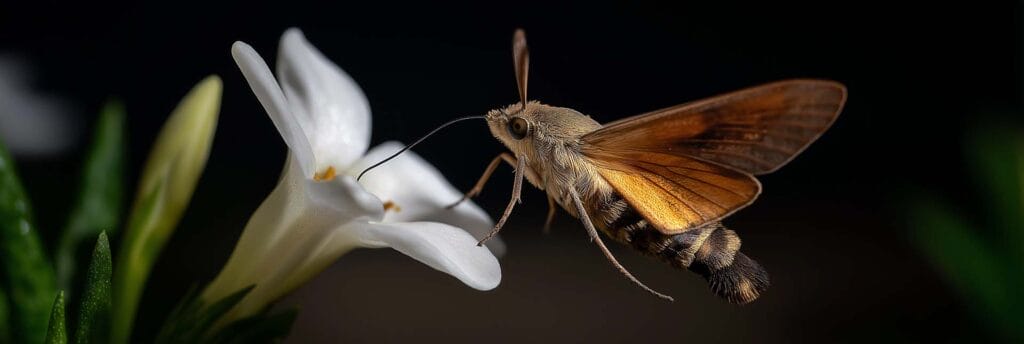
Although many people overlook them, moths are numberous and widespread, with over 2,500 species in Britain living in a wide range of habitats.
Since 1914 there have been 56 moth extinctions. Six of these have since recolonised or been re-found.
The abundance of the UK's larger moths has crashed during the past 40 years with three species becoming extinct since 2000.
Our gift shop sell a collection of eco-friendly toys, including Eco buddiez soft toys.
The state of Britain's Larger Moths report 2013 found that two-thirds of common and widespread larger species (macro-moths) declined in the last 40 years. The losses in abundance were much greater in the southern half of Britain than the north.
All Things Wild
We help protect the native wildlife
Here are just some og the things we do on site, to help the native wildlife. Why not come along and get involved.
We have a bug hotel in our Wild Meadow, to help provide a home for many insects.
We try to ensure that we provide plants on site, that are beneficial for Bee’s and other wildlife.
We have a hedgehog box, to provide a safe home for wild hedgehogs.
We often do activities with the public, such as making bird feeders.
There are informative signs helping our visitors to identify different species of native wildlife, and giving them advice on how they can help.