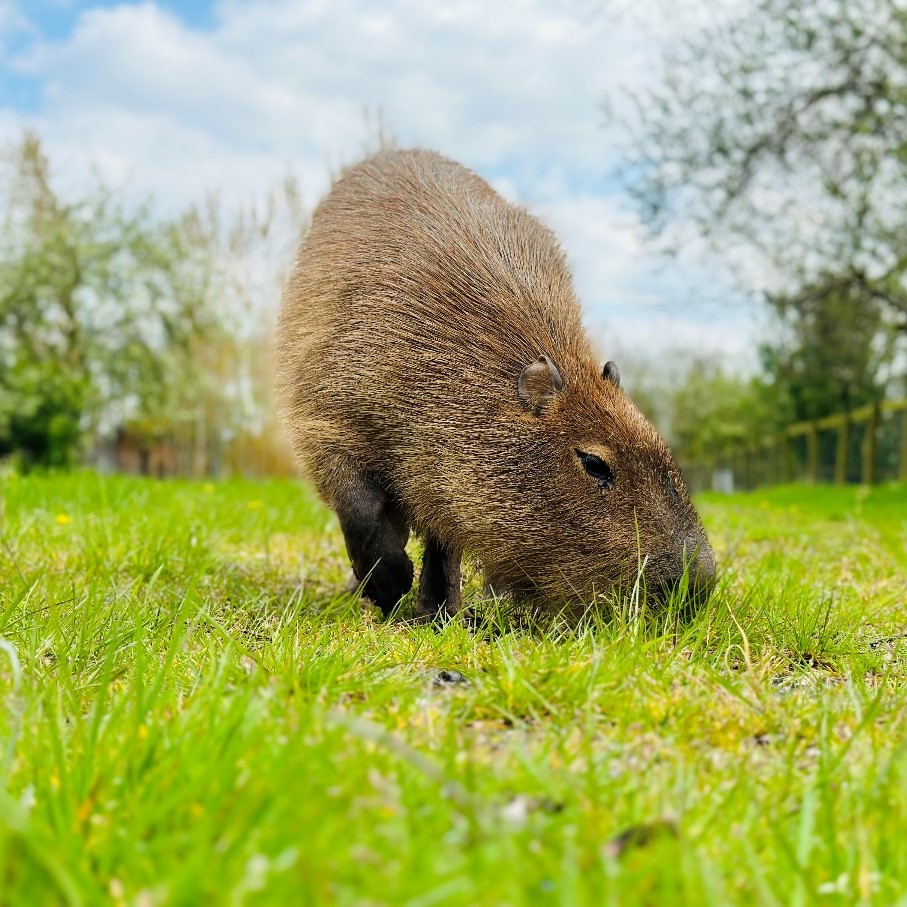
Hydrochoerus hydrochaeris

Capybara

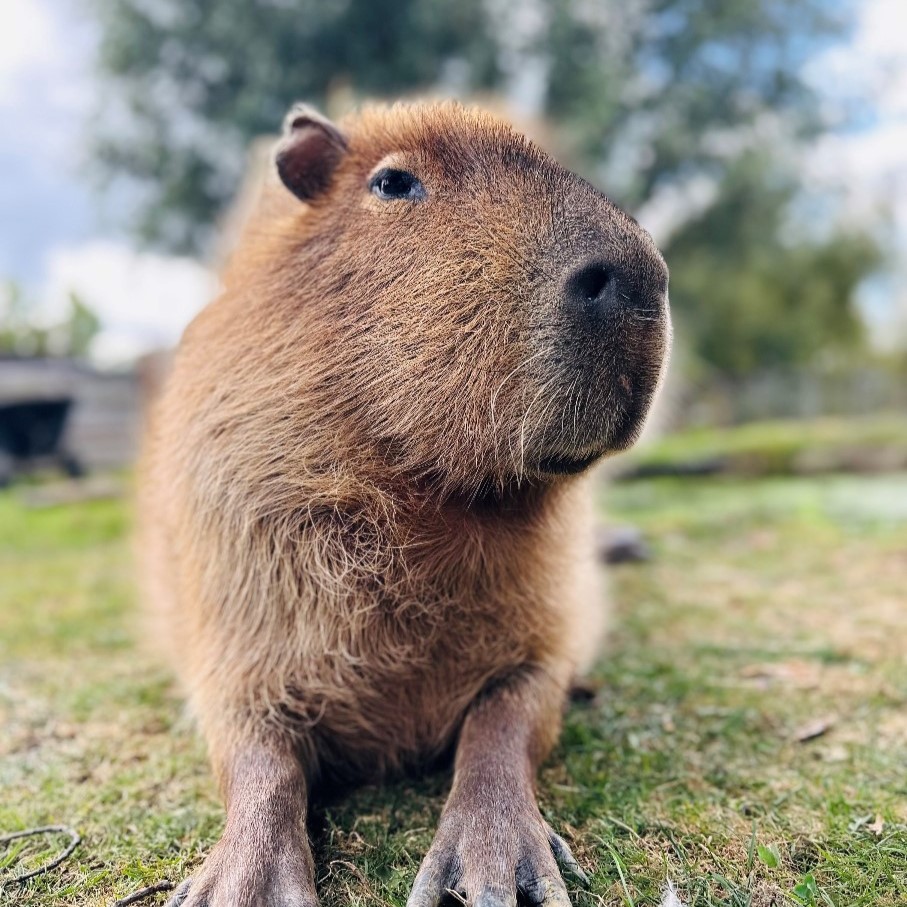
The capybara or greater capybara (Hydrochoerus hydrochaeris) is a giant cavy rodent native to South America. It is the largest living rodent and a member of the genus Hydrochoerus.

Book Online
Open 10am to 5pm Everyday

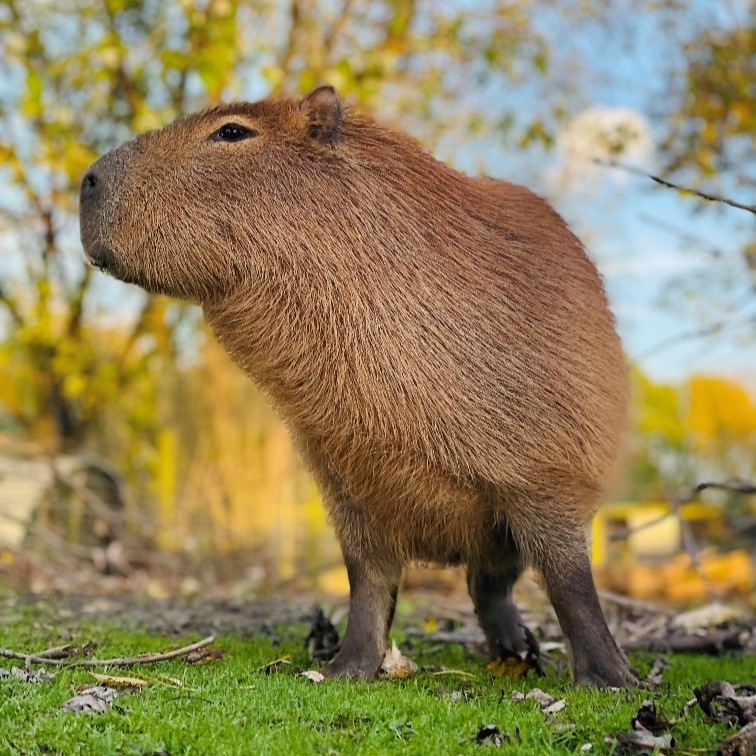
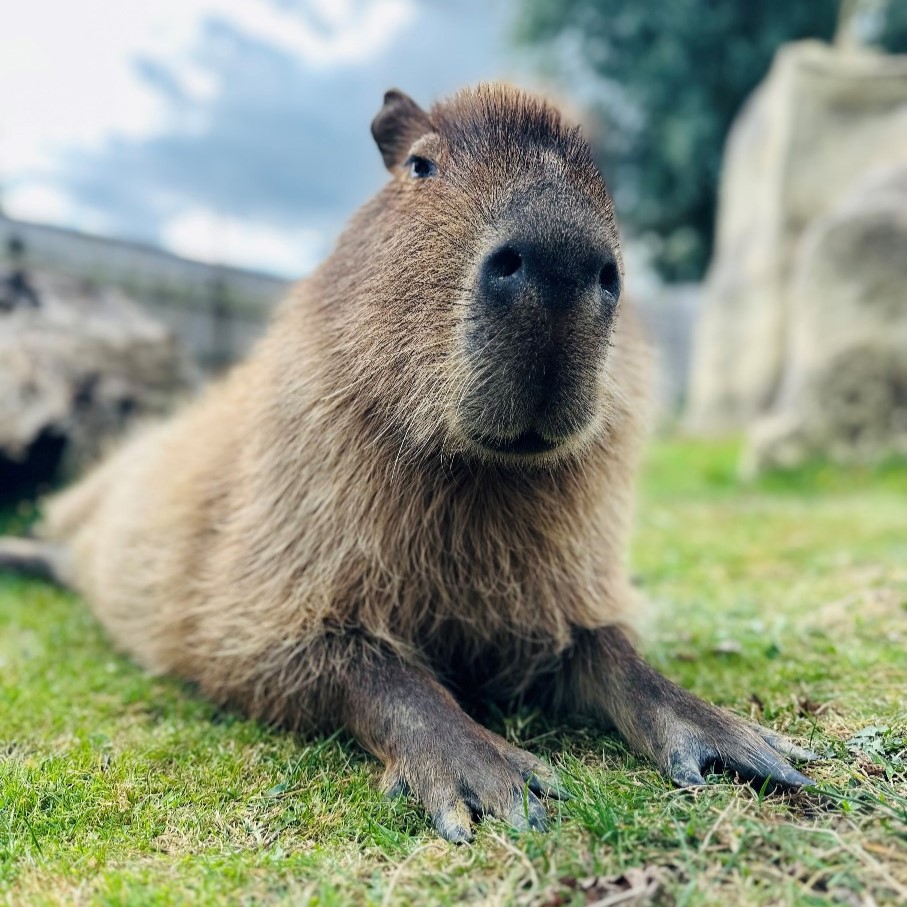
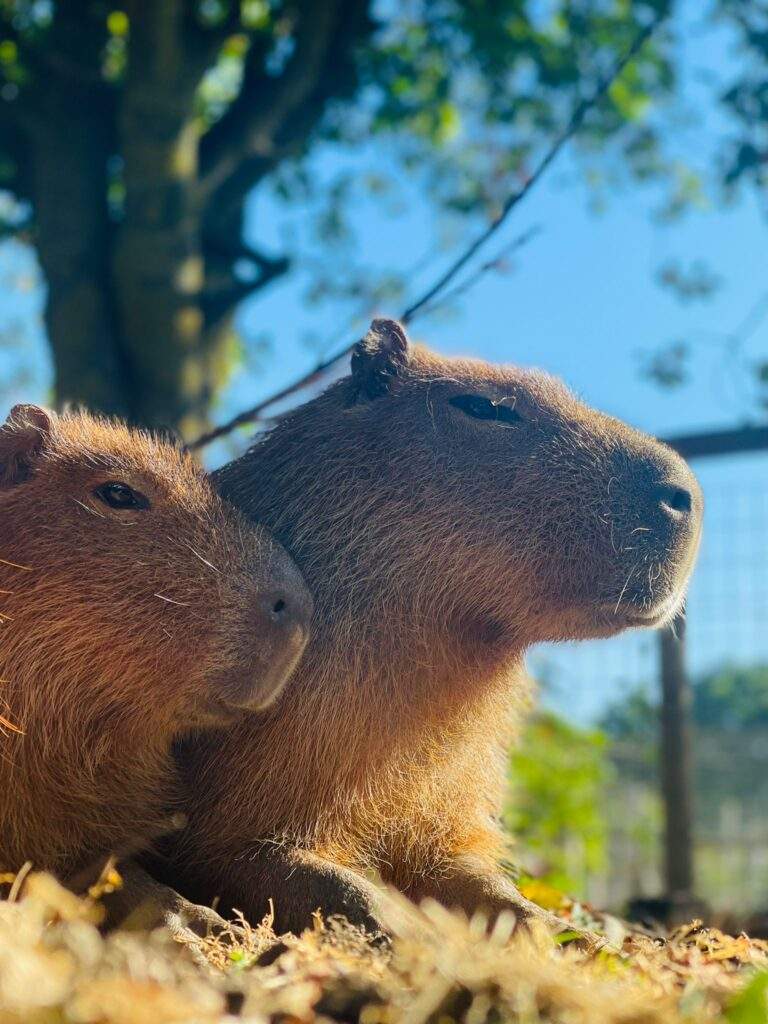
The capybara or greater capybara (Hydrochoerus hydrochaeris) is a giant cavy rodent native to South America. It is the largest living rodent and a member of the genus Hydrochoerus. The only other extant member is the lesser capybara (Hydrochoerus isthmius). Its close relatives include guinea pigs and rock cavies, and it is more distantly related to the agouti, the chinchilla, and the coypu. The capybara inhabits savannas and dense forests and lives near bodies of water. It is a highly social species and can be found in groups as large as 100 individuals, but usually lives in groups of 10–20 individuals. The capybara is not a threatened species and it is hunted for its meat and hide and also for grease from its thick fatty skin.

The capybara has a heavy, barrel-shaped body and short head, with reddish-brown fur on the upper part of its body that turns yellowish-brown underneath. Its sweat glands can be found in the surface of the hairy portions of its skin, an unusual trait among rodents. The animal lacks down hair, and its guard hair differs little from over hair.
Book Online
Open 10am to 5pm Everyday

Habitat

The Capybara is native to South America and found in dense forests and savannahs near bodies of water.

Diet

The Capybara is a herbivore and eat grass, fruit, plants and aquatic plants.

Lifespan

Up to 12 years.

IUCN Status

Least Concern.

Fun Facts

Capybaras are the largest rodent in the world. Highly social animals by nature, they live in groups of approximately 10-20 individuals. These semi-aquatic animals have a heavy, barrel shaped body, short head and blunt snout.

Step Through Time

Dinosuar Experience

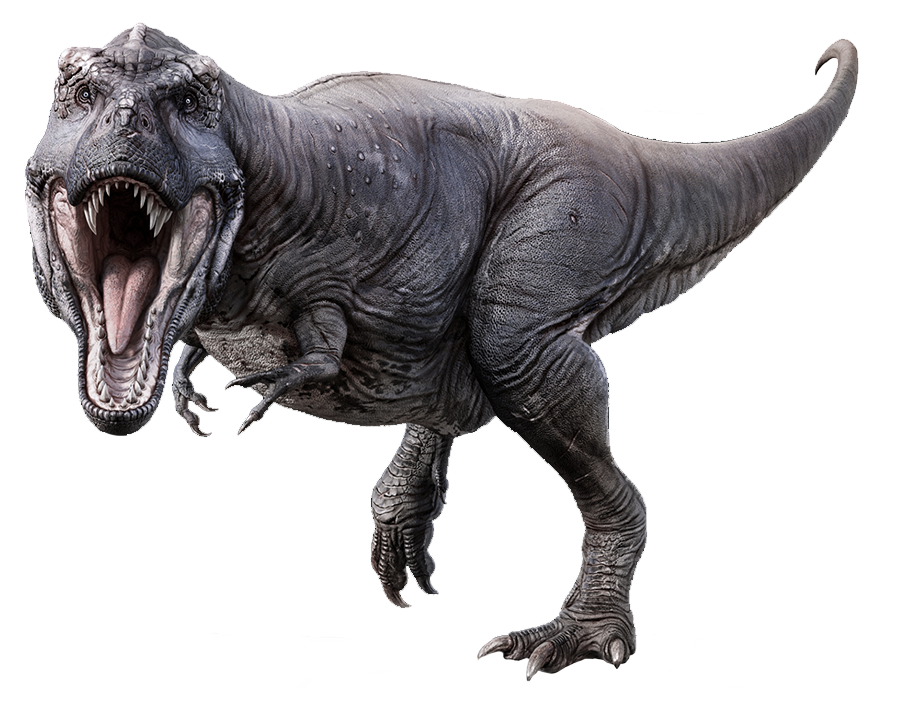
Ride the Dino Land Train, and discover prehistoric creatures in our Dino Barn. Get up close to the ever popular Tyrannosaurus Rex, Stegosaurus & Triceratops that remain ‘Frozen in time’. Walk through ‘Monsters of the Deep’, our prehistoric CGI aquarium – look out for Ammonites and discover just how big Megalodons’ jaw was!

Learn more
All Things Wild T-Rex Step Through Time