


The fennec fox (Vulpes zerda) is a small crepuscular fox native to the Sahara Desert, the Sinai Peninsula in Egypt, and the Arava and Negev deserts in Israel. Its most distinctive feature is its unusually large ears, which serve to dissipate heat. The fennec is the smallest canid species. Its coat, ears, and kidney functions have adapted to the desert environment with high temperatures and little water. Also, its hearing is sensitive to hear prey moving underground. It mainly eats insects, small mammals, and birds. The fennec has a life span of up to 14 years in captivity and about 10 years in the wild. Its main predators are the Verreaux’s eagle-owl, jackals, and other large mammals. Fennec families dig out burrows in the sand for habitation and protection, which can be as large as 120 m2 (1,292 sq ft) and adjoin the burrows of other families. Precise population figures are not known but are estimated from the frequency of sightings; these indicate that the fennec is currently not threatened by extinction. Knowledge of social interactions is limited to information gathered from captive animals. The fennec’s fur is prized by the indigenous peoples of North Africa, and in some parts of the world, it is considered an exotic pet.
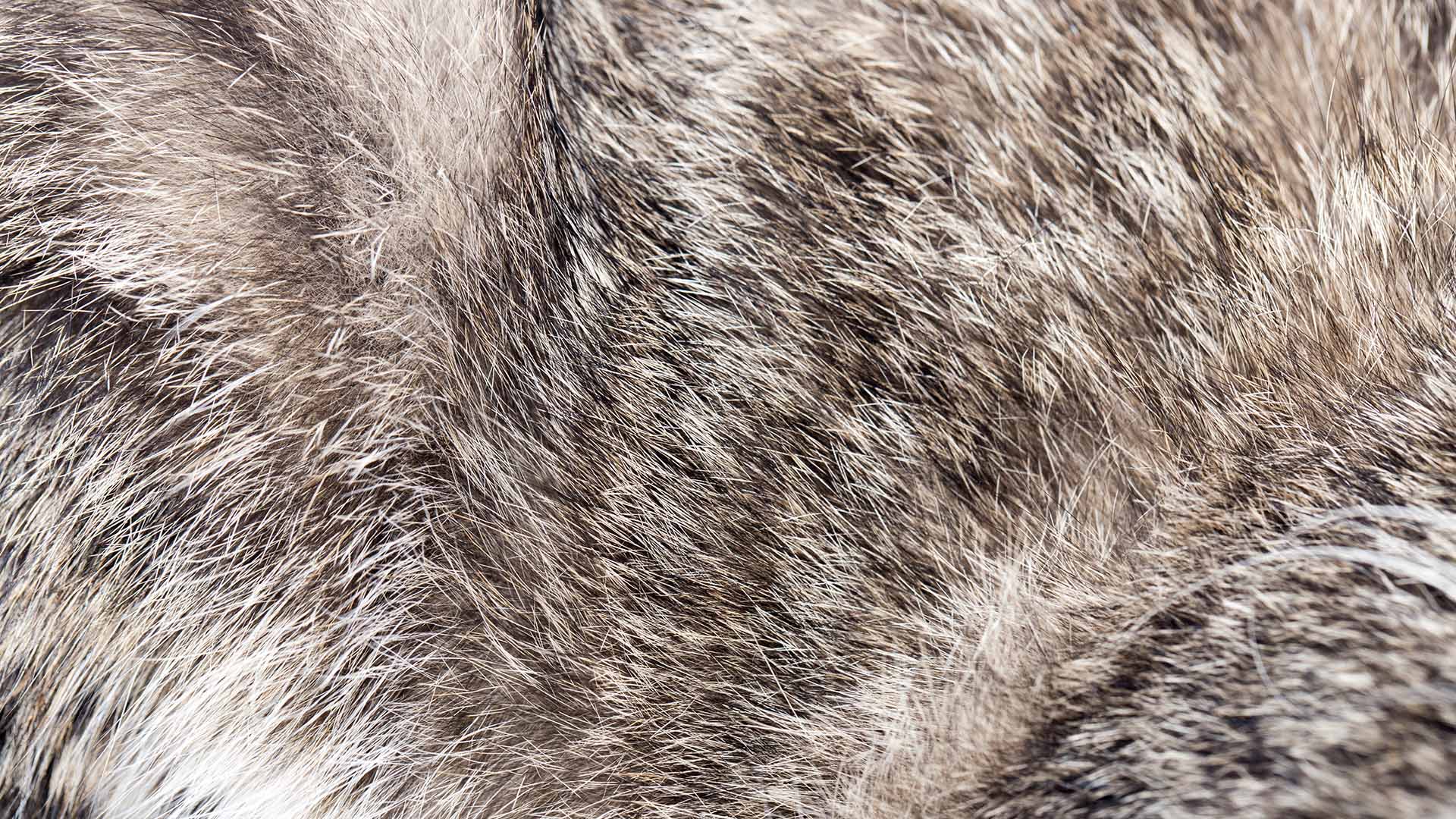
The fur of the fennec fox is straw-coloured. Its nose is black. Its tapering tail has a black tip. Its long ears have longitudinal reddish stripes on the back and are so densely haired inside that the external auditory meatus is not visible. The edges of the ears are whitish, but darker on the back. The ear to body ratio is the greatest in the canid family and likely helps in dissipating heat and locating vertebrates. It has dark streaks running from the inner eye to either side of the slender muzzle.
Content from Wikipedia