Sustainability
We all hear the word ‘sustainability’ being thrown about, but what does it mean, and how does it look in practice? To be environmentally sustainable is to use natural resources – such as water, soil, and timber - in a manner that does not deplete them and does not cause environmental harm.
What you need to know about Sustainability at All Things Wild...
Why is sustainability important?
We all hear the word ‘sustainability’ being thrown about, but what does it mean, and how does it look in practice?
To be environmentally sustainable is to use natural resources – such as water, soil, and timber - in a manner that does not deplete them and does not cause environmental harm.
Sustainability is important because it conserves natural resources for use in the future. This means that generations to come can access the same privileges that we enjoy today – nutritious food, clean water, and beautiful national parks to name but a few!
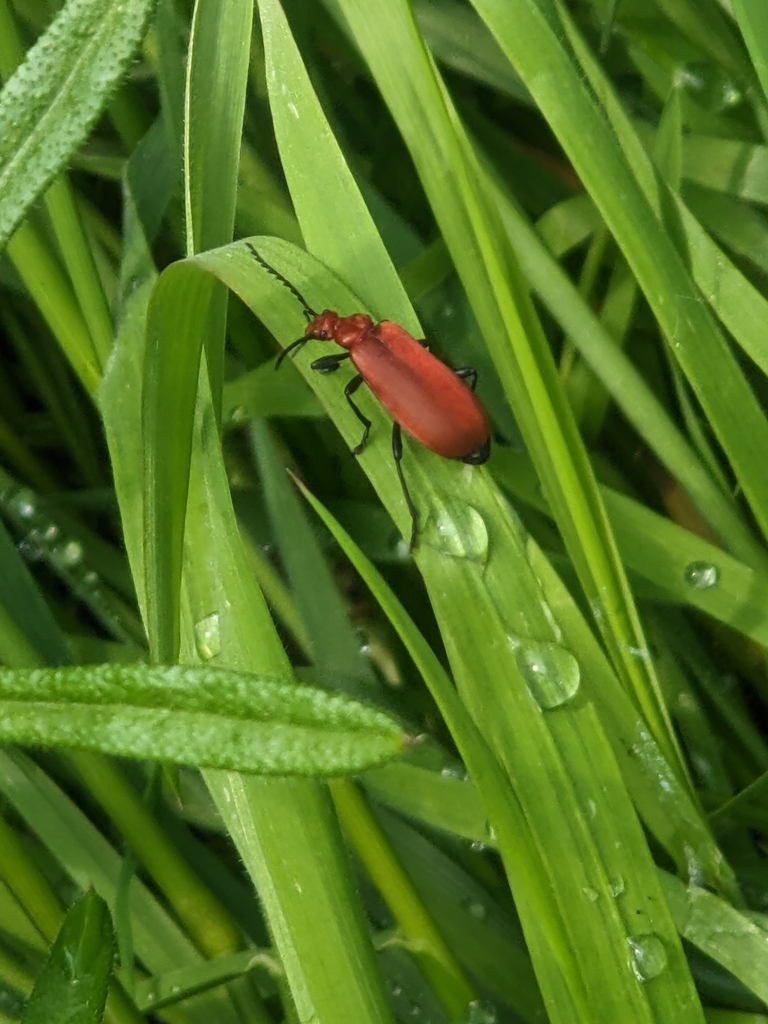
And it’s not just about us… Behaving sustainably also ensures we safeguard a healthy planet that can support all the diverse and vibrant living things that make it so special – from the tiniest creepy crawlies to the tallest and most magnificent trees!
At All Things Wild, we understand the vital importance of sustainability and caring for our planet. We therefore aim to implement sustainable practices wherever possible and encourage our visitors to behave in a similarly environmentally conscious manner. Reflecting our efforts, in 2022 we won the NFAN Sustainability Award, which recognises attractions that are ‘…committed to building sustainability into their long-term plans.’
We are also proud to have been awarded a Bronze Award by Green Tourism, and we are actively striving towards a Silver, and eventually Gold Award in the future.
Read on to uncover more about our sustainable practices!
Energy
Climate change is a huge threat to biodiversity as well as human health and wellbeing. Average global temperatures continue to rise above pre-industrial levels with some of the most serious consequences including biodiversity loss, extreme weather, and food insecurity.
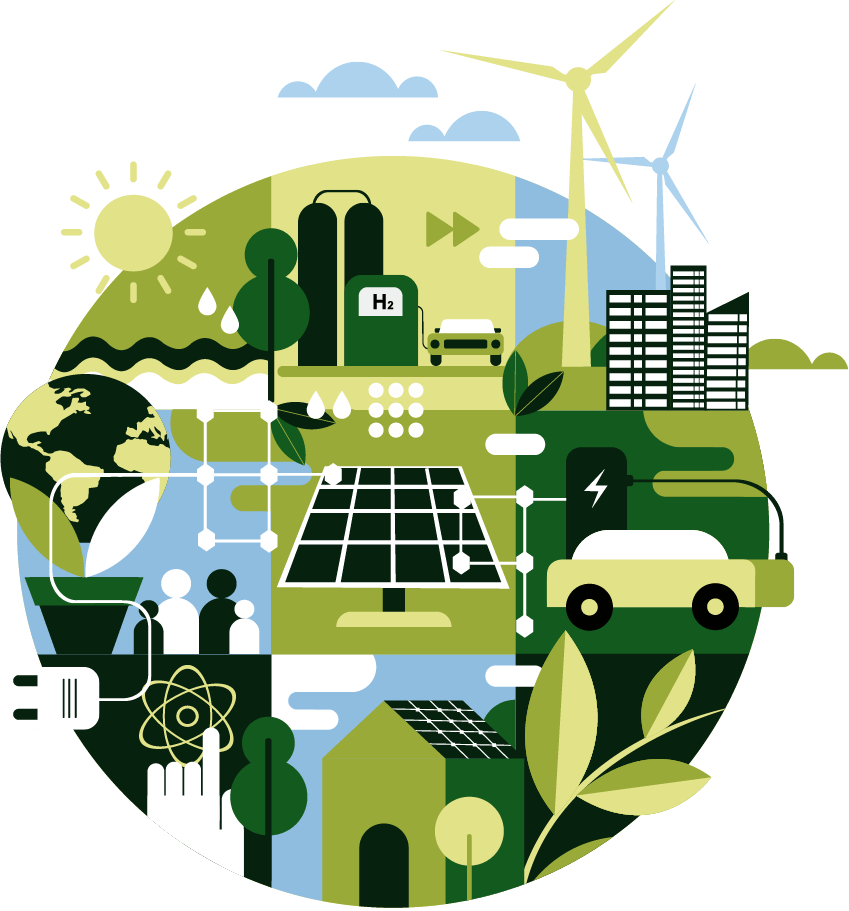
To tackle climate change, we must reduce greenhouse gas emissions. Therefore, reducing our reliance on fossil fuels and conserving energy are an important part of All Things Wild’s energy strategy and efforts to be more sustainable.
We have taken significant steps to reduce the amount of energy we use daily. All new buildings and animal enclosures are constructed with effective insulation and considered use of natural light to maximise energy efficiency.
Furthermore, all our light bulbs have been replaced with low energy equivalents and we are in the process of changing all lighting (where possible) to sensor activated lighting.
We have also installed solar panels into the roof of our Jungle Mayhem Soft Play building to help to reduce our dependence on fossil fuels and begin our transition to renewable energy.
Ultimately, our goal is to reach Net Zero emissions in line with national and international targets. To monitor our progress on our path to Net Zero, we have signed up to a Future Net Zero scheme to help us track our emissions.
Waste
Water is a precious and limited resource. There might seem to be a lot of it about, but did you know that only 3% of the water on earth is freshwater and of this, most is locked away in ice or under the ground with less than 1% accessible for people to use?! Furthermore, when we waste water, we also waste the energy and resources that were used to make it drinkable and transport it to our homes and businesses.
We therefore all have a responsibility to use water wisely.
At All Things Wild, we collect rainwater in water butts from the roofs of our buildings. Water from the roof of the Jungle Mayhem Soft Play is then used to flush toilets. We also aim to educate our guests and staff about the importance of saving water, with signage around our site to remind people!
Water
Water is a precious and limited resource. There might seem to be a lot of it about, but did you know that only 3% of the water on earth is freshwater and of this, most is locked away in ice or under the ground with less than 1% accessible for people to use?! Furthermore, when we waste water, we also waste the energy and resources that were used to make it drinkable and transport it to our homes and businesses.
Food & retail
At All Things Wild, we believe that sustainable food and retail practices are essential for protecting our planet and ensuring a healthy future for all. The choices we make in what we consume and how we shop can significantly impact the environment - from reducing waste to conserving natural resources. Importantly, what we offer to our visitors at the zoo needs to support our core conservation message.
Travel
Did you know that the transport sector is a huge contributor to greenhouse gas emissions, with road transport being the major culprit – even ahead of aviation! Driving less not only reduces greenhouse gas emissions, but also reduces noise and particulate pollution, improves air quality, eases congestion, and lessens the demand for new road infrastructure.
Finally, for unavoidable business travel, we have invested in an electric van. We also work with Honeyboure railway to try and create some directional signs from the station to our site, to encourage people to travel by train instead of car!
To find out more click here

Grounds, horticulture & animal care
The final areas where we are striving to be more sustainable is in the management of our grounds, horticulture, and animal care.