Camelus bactrianus

Bactrian Camel

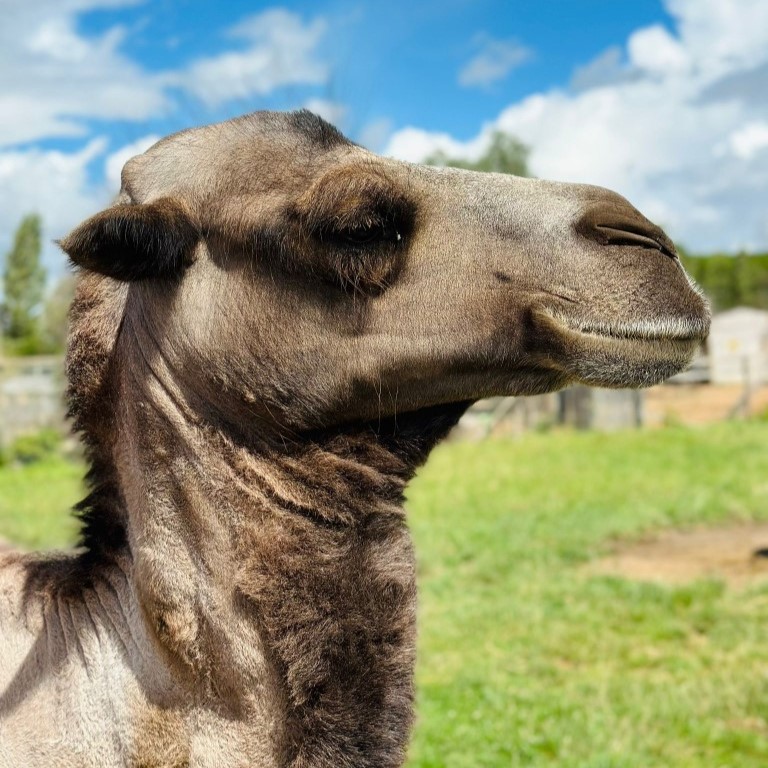
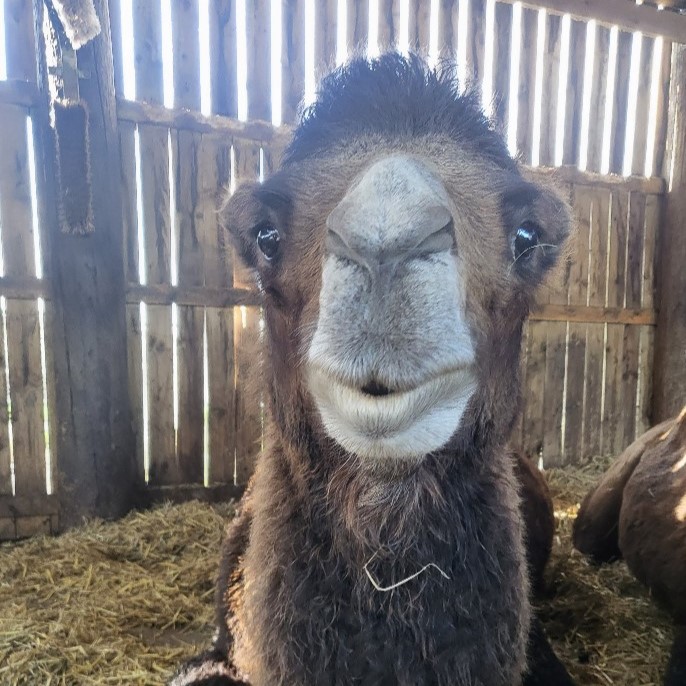
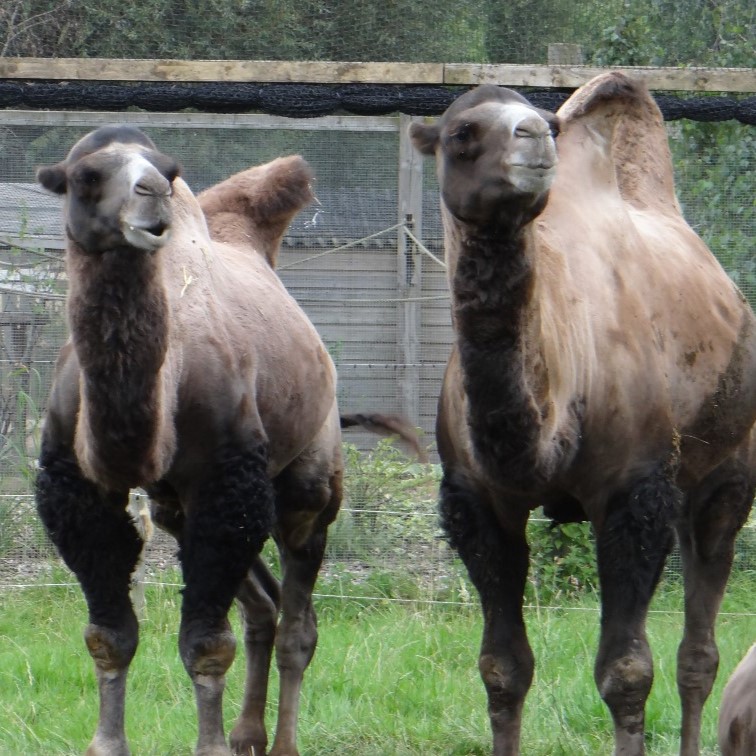
The Bactrian camel (Camelus bactrianus), also known as the Mongolian camel or domestic Bactrian camel, is a large even-toed ungulate native to the steppes of Central Asia.

Book Online
Open 10am to 5pm Everyday

The Bactrian camel (Camelus bactrianus), also known as the Mongolian camel or domestic Bactrian camel, is a large even-toed ungulate native to the steppes of Central Asia. It has two humps on its back, in contrast to the single-humped dromedary camel. Its population of two million exists mainly in the domesticated form. Their name comes from the ancient historical region of Bactria.

Domesticated Bactrian camels have served as pack animals in inner Asia since ancient times. With its tolerance for cold, drought, and high altitudes, it enabled the travel of caravans on the Silk Road. Bactrian camels, whether domesticated or feral, are a separate species from the wild Bactrian camel, which is the only truly wild (as opposed to feral) species of camel in the world.

Content from Wikipedia
Book Online
Open 10am to 5pm Everyday

Habitat

This species is native to Central and Eastern Asia

Diet

The Bactrian Camel is a herbivore which means it eats plants.

Lifespan

Up to 50 years!

IUCN Status

Their wild ancestors, Camelus ferus, are listed as Critically Endangered on the IUCN Red List of Threatened Species.

Fun Facts

The Bactrian Camel has two humps on its back and these store energy rich fat and can grow up to 2.1m to the top of the humps (when they are upright). The stored fat is then converted into nourishment when little or no food is available. They have bushy eyebrows and long eye lashes that help protect their eyes from the sand and they also have the ability to close their nostrils temporarily to stop breathing in the sand if it blows!

Step Through Time

Dinosuar Experience

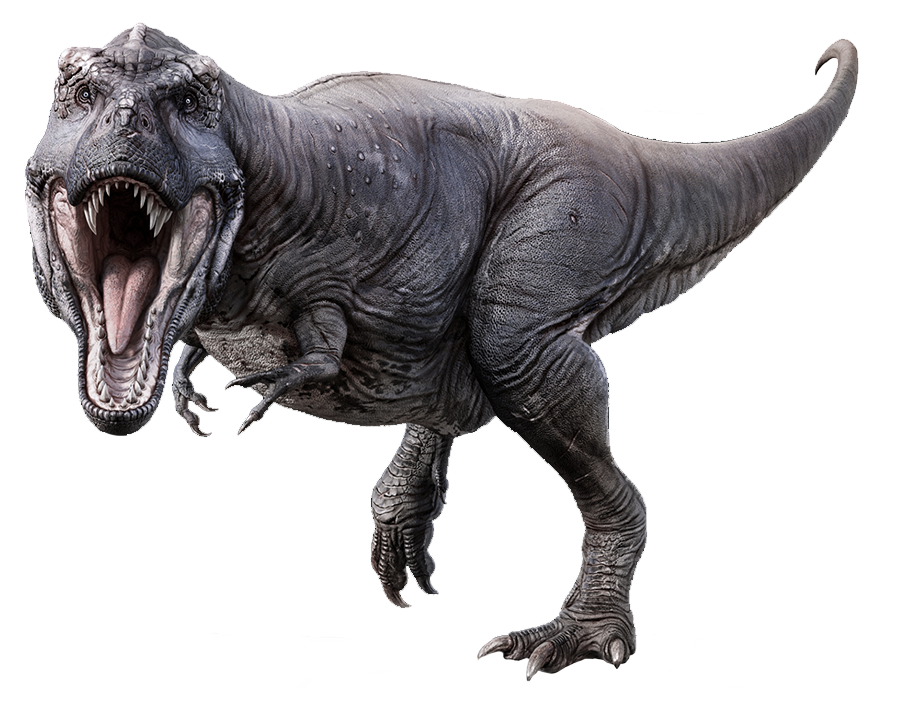
Ride the Dino Land Train, and discover prehistoric creatures in our Dino Barn. Get up close to the ever popular Tyrannosaurus Rex, Stegosaurus & Triceratops that remain ‘Frozen in time’. Walk through ‘Monsters of the Deep’, our prehistoric CGI aquarium – look out for Ammonites and discover just how big Megalodons’ jaw was!

Learn more
All Things Wild T-Rex Step Through Time