Macropus rufogriseus rufogriseus

Bennetts Wallaby

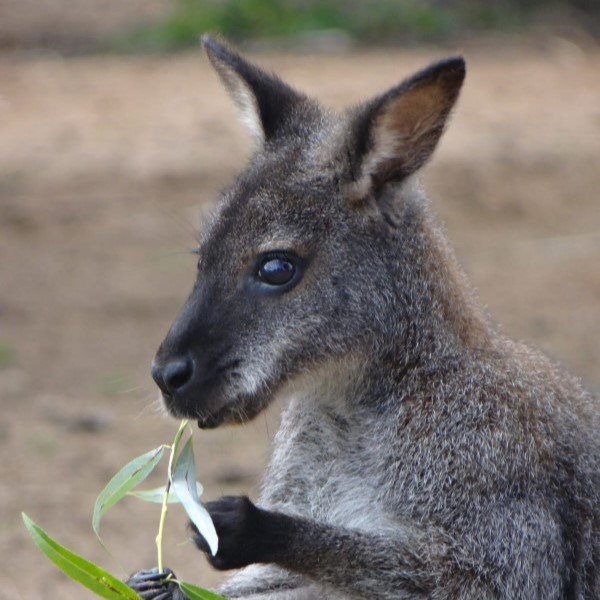
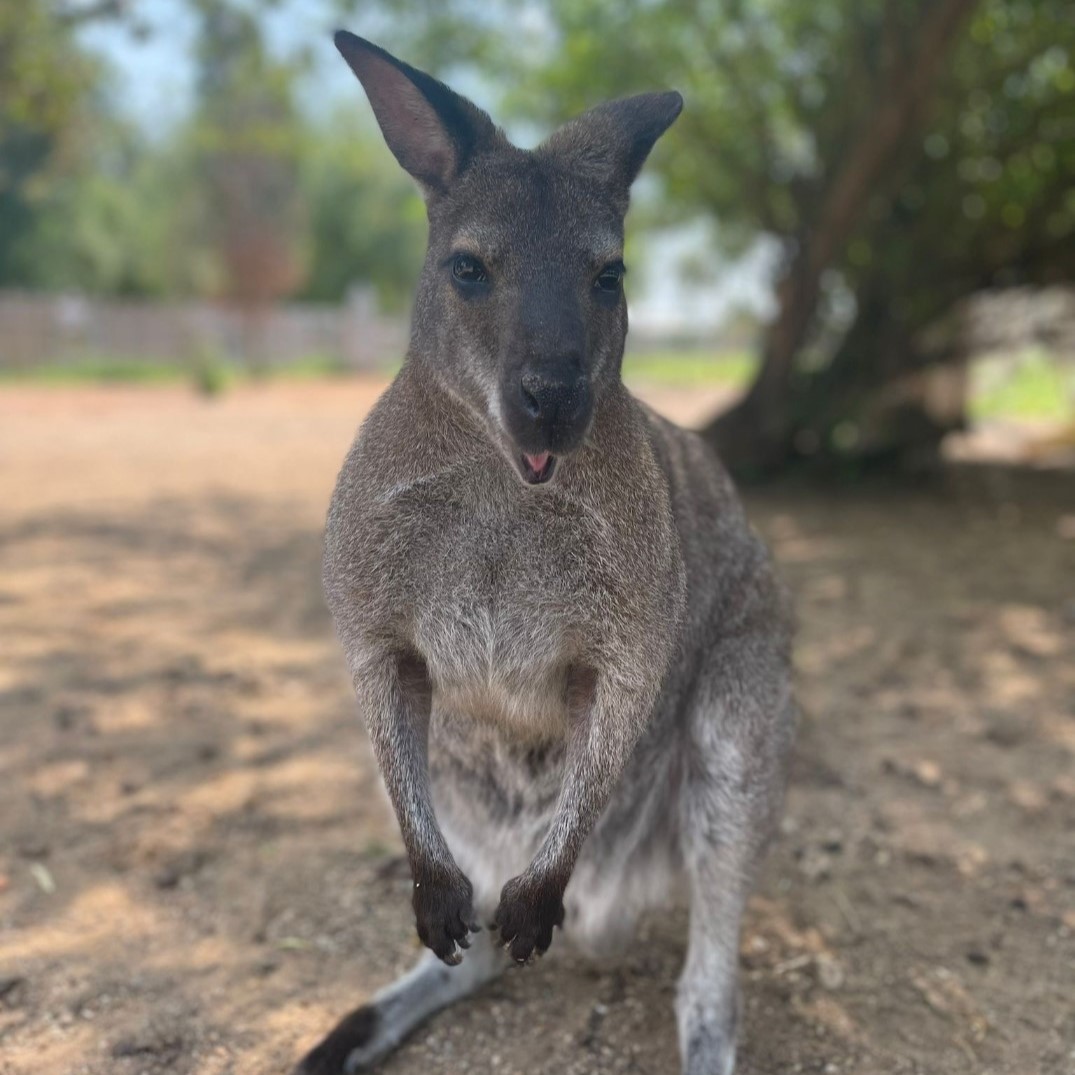
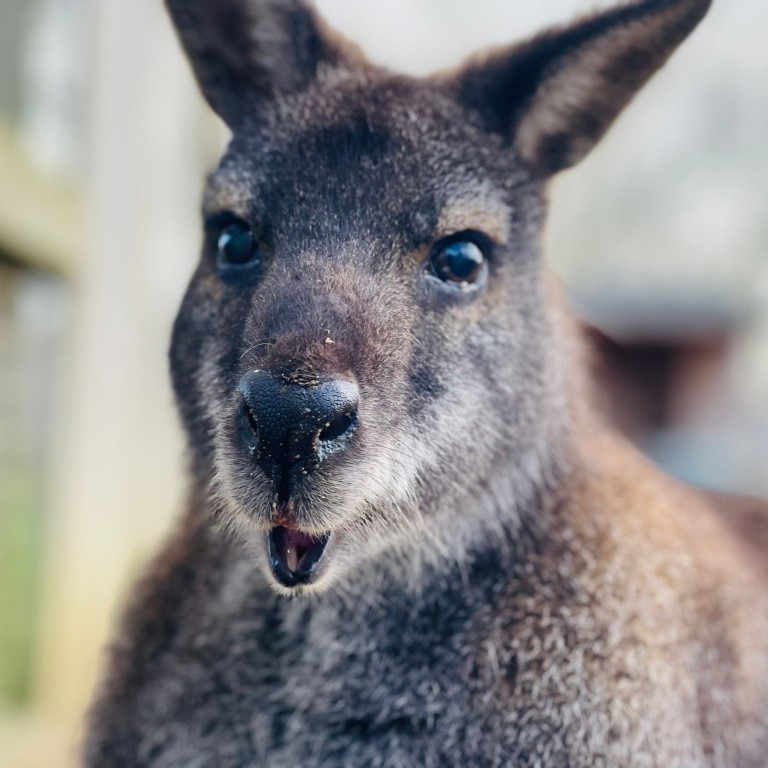
he red-necked wallaby or Bennett's wallaby (Notamacropus rufogriseus) is a medium-sized macropod marsupial (wallaby), common in the more temperate and fertile parts of eastern Australia, including Tasmania.

Book Online
Open 10am to 5pm Everyday

The red-necked wallaby or Bennett’s wallaby (Notamacropus rufogriseus) is a medium-sized macropod marsupial (wallaby), common in the more temperate and fertile parts of eastern Australia, including Tasmania. Red-necked wallabies have been introduced to several other countries, including New Zealand, the United Kingdom (in England and Scotland), Ireland, the Isle of Man, France and Germany.

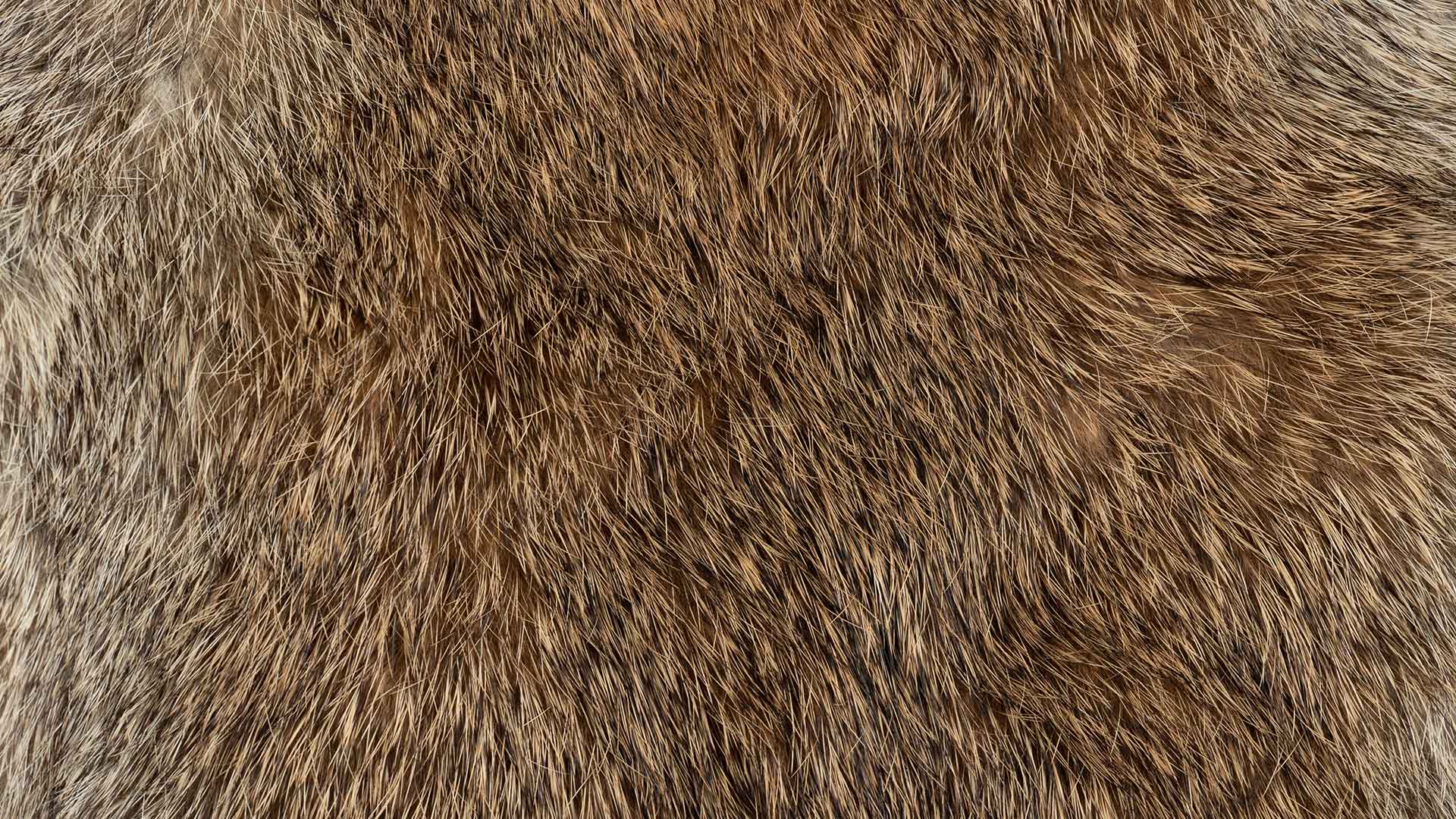
Red-necked wallabies are distinguished by their black nose and paws, white stripe on the upper lip, and grizzled medium grey coat with a reddish wash across the shoulders. They can weigh 13.8 to 18.6 kilograms (30 to 41 lb) and attain a head-body length of 90 centimetres (35 in), although males are generally bigger than females. Red-necked wallabies are very similar in appearance to the black-striped wallaby (Notamacropus dorsalis), the only difference being that red-necked wallabies are larger, lack a black stripe down the back, and have softer fur. Red-necked wallabies may live up to nine years.
Book Online
Open 10am to 5pm Everyday

Habitat

They are seen as pests in their native Australia. They are found in woodlands, eucalyptus forests and coastal heaths.

Diet

As herbivores, their diet consists of grasses, leaves and herbs.

Lifespan

Approximately 12 years.

IUCN Status

Least Concern.

Fun Facts

The Bennetts Wallaby is part of the Macropodidae family and is the Tasmanian sub-species of the Red Necked Wallaby.

Step Through Time

Dinosuar Experience

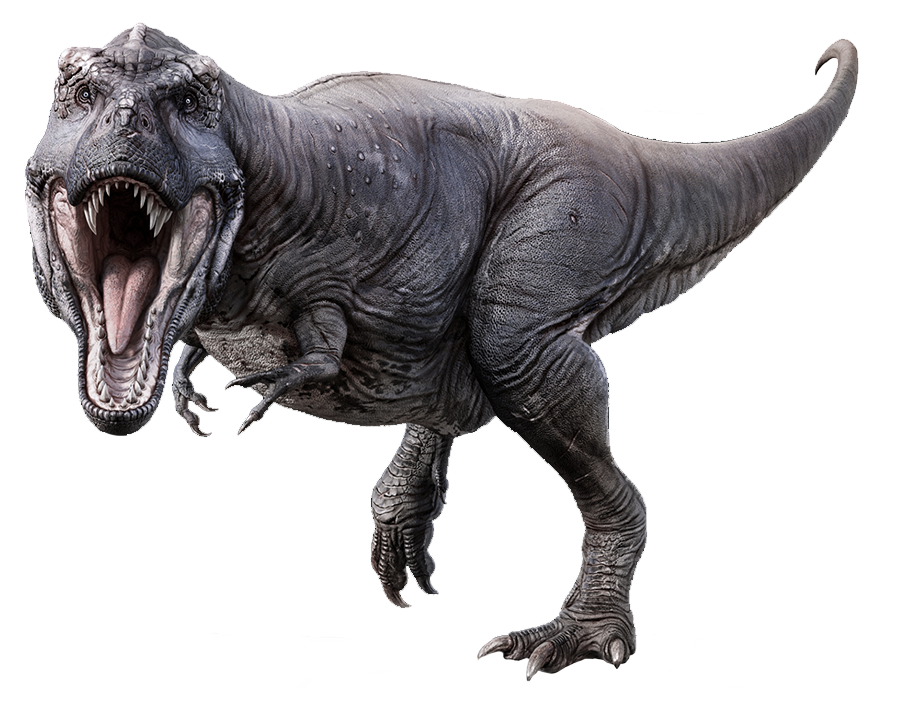
Ride the Dino Land Train, and discover prehistoric creatures in our Dino Barn. Get up close to the ever popular Tyrannosaurus Rex, Stegosaurus & Triceratops that remain ‘Frozen in time’. Walk through ‘Monsters of the Deep’, our prehistoric CGI aquarium – look out for Ammonites and discover just how big Megalodons’ jaw was!

Learn more
All Things Wild T-Rex Step Through Time